


 Deutsch
 English
 Español
 Français
 Nederlands
 Português


 Share





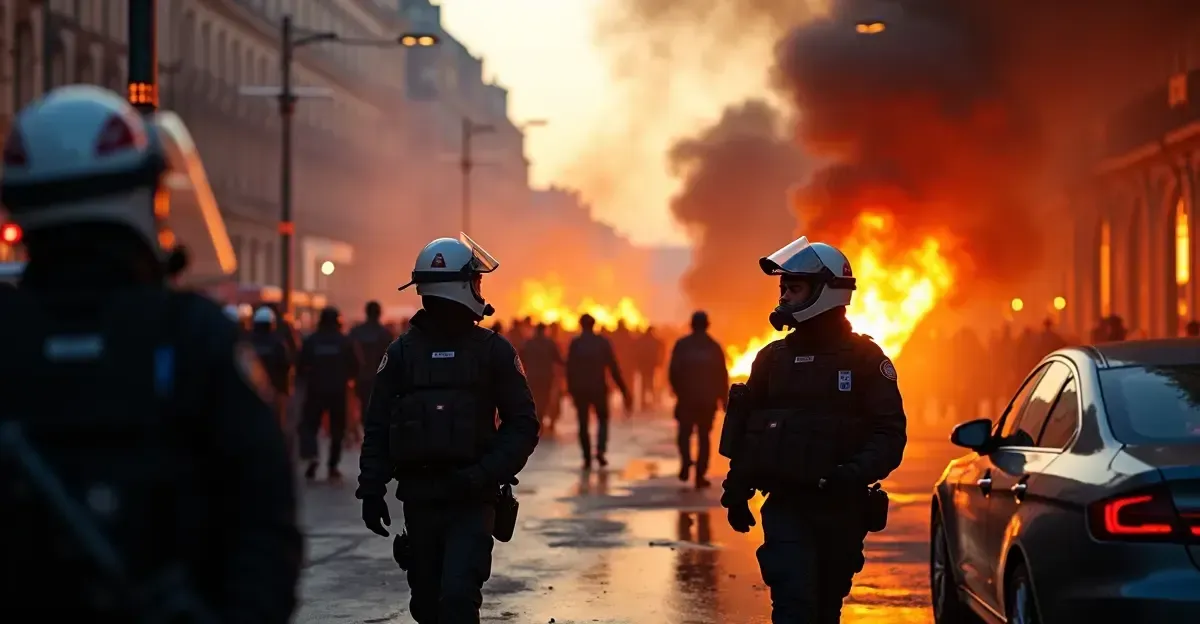
France is bracing for a new wave of France protests on Friday, October 24, 2026, as the government deploys 70,000 police officers and gendarmes to contain demonstrations over the cost of living, education funding and public services. The mobilisation comes exactly one week after nationwide rallies descended into riots, looting and arson in Paris, Lyon, Marseille and other major cities.
What is behind the France protests in 2026?
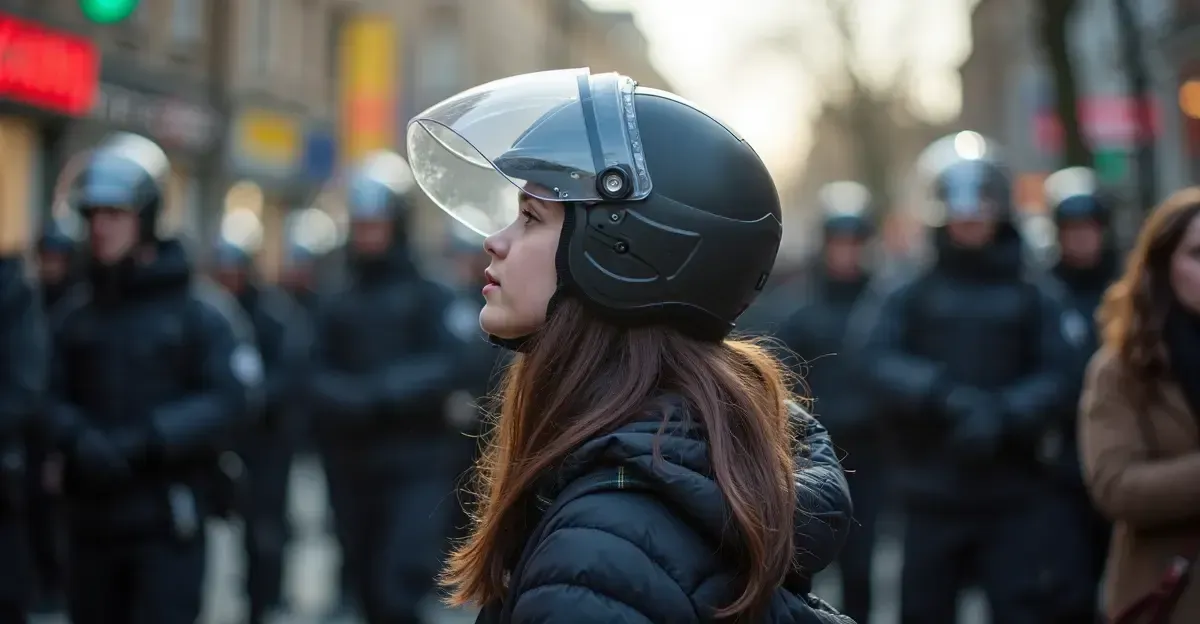
The unrest combines several grievances: rising fuel and food prices, €61 billion in public spending cuts, overcrowded classrooms and dissatisfaction with President Emmanuel Macron's government. The movement began in September 2026 when lycée students blockaded schools in poor Paris suburbs over teacher shortages and run-down facilities, before unions, teachers, pensioners and farmers joined. The current wave echoes the 2018 yellow vest movement that erupted over fuel taxes and later expanded into a broader anti-government rebellion.
How France is preparing for October 24
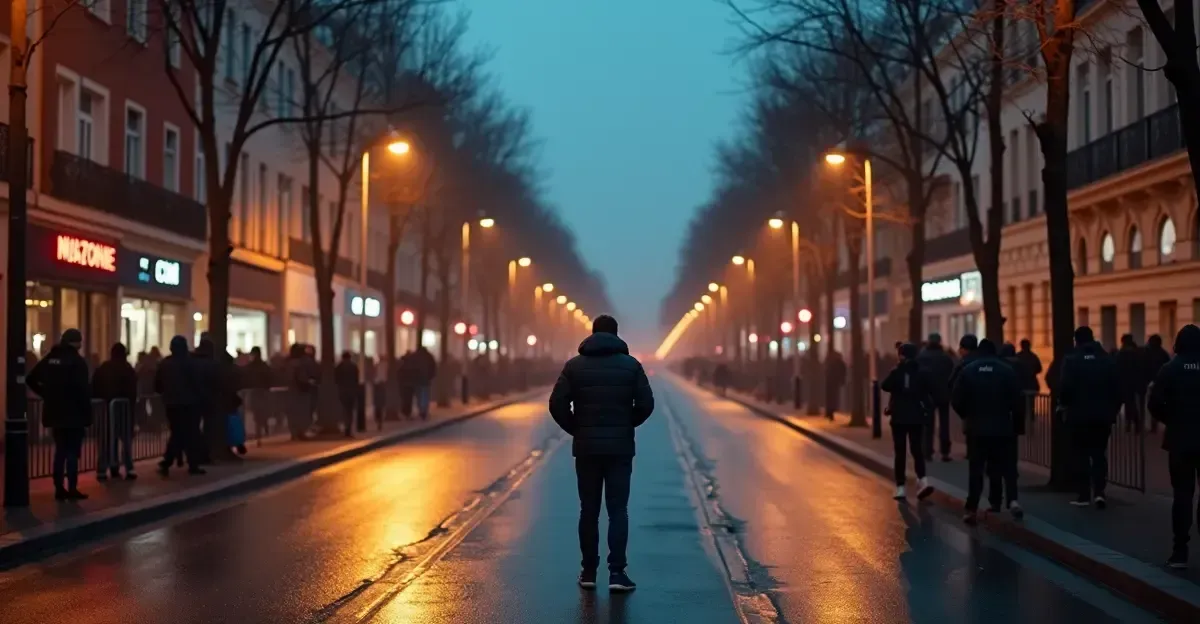
Interior Minister Laurent Nuñez said 70,000 police and gendarmes will be mobilised on Friday, backed by army units and trainee officers to relieve exhausted forces. Several cities have imposed area bans and night-time curfews, while many retailers have boarded up shopfronts and cultural sites such as the Louvre are closed. Authorities fear a repeat of the violence that saw more than 2,300 arrests and around 1,500 shops looted on October 17. We are ready to act extremely hard tomorrow and we tolerate nothing, Nuñez said, accusing far-left extremist groups of calling for looting and attacks on government buildings.
Macron, Le Pen and the political stakes
President Macron has said only demonstrations organised by recognised unions will be authorised, banning rallies by groups he says have no legitimate authority. He blamed political and seditious acts by ultra far-left groups seeking to bring down the republic. The government is also monitoring the annual congress of Marine Le Pen's far-right Rassemblement National in Orléans this weekend, where left-wing and anti-racist groups have announced counter-protests. The unrest has boosted Marine Le Pen polling numbers ahead of next spring's presidential election, adding pressure on Macron's centrist camp.
What happened during the October 17 riots?
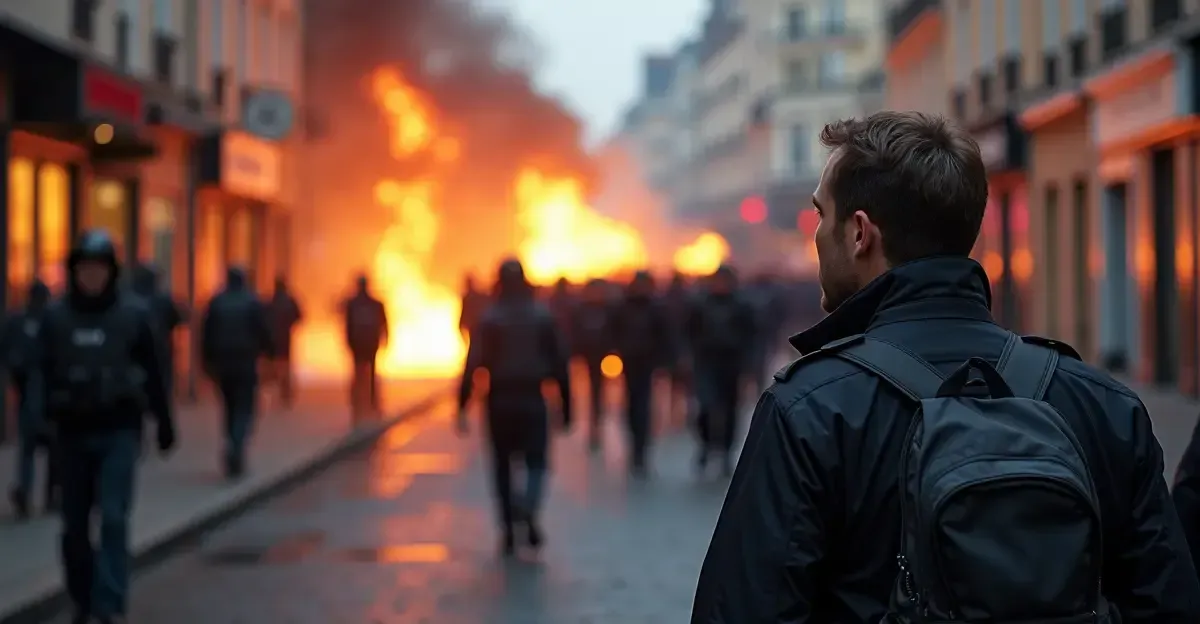
On Saturday, October 17, between 550,000 and 800,000 people marched across France, mostly peacefully, but violence broke out after dark. Masked youths set fire to Limoges' 19th-century city hall, stormed Marseille's city hall, torched Lyon's tourist office and looted boutiques and banks in Paris. At least 1,500 businesses were damaged, vehicles were burned and more than 500 police officers were injured. Macron vowed that everyone who tries to bring down the Republic will be held accountable. Italy is also on alert, with 500 soldiers sent to Milan and demonstrations banned in the city centre amid similar cost-of-living unrest in Rome and Turin.
France protests 2026 FAQ
Why are people protesting in France in 2026?
Protesters oppose high living costs, fuel prices, education cuts and public service decline, with unions, students and yellow vests uniting.
How many police are being deployed?
France is deploying 70,000 police and gendarmes on October 24, supported by army units and trainee officers.
Are protests banned in France?
Only demonstrations organised by recognised unions are allowed; other rallies face bans, curfews and area restrictions in several cities.
What was the death toll in the October 17 riots?
One demonstrator died and one police officer was killed in Nantes, while hundreds were injured and more than 2,300 arrested.
Will the protests spread to other countries?
Yes, similar cost-of-living protests have erupted in Italy, Belgium, Greece, Spain and Portugal, with Italian cities on high alert.

Follow Discussion